Muslim Man Woman Holding Ketupat – A Versatile Illustration for Creative Projects
As a professional graphic designer who regularly works with clients in the handmade, digital product, and branding industries, I often find myself evaluating design assets for real-world usability. Recently, I had the opportunity to review Muslim Man Woman Holding Ketupat, an illustration that immediately caught my attention for its cultural resonance and visual adaptability. This asset is not just another clipart—it’s a well-crafted graphic design element that could elevate various creative projects, from brand identity to social media graphics.
A Warm and Culturally Rich First Impression
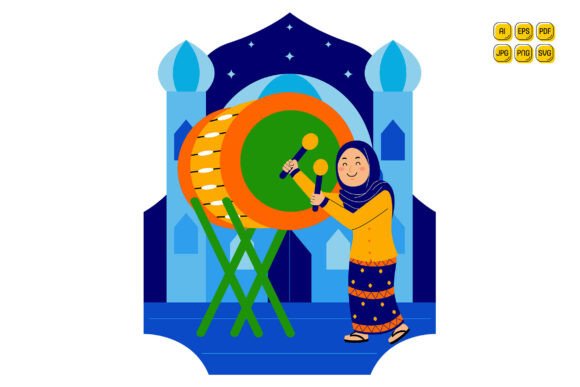
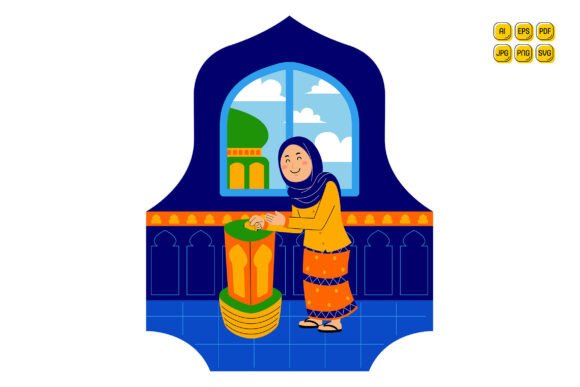
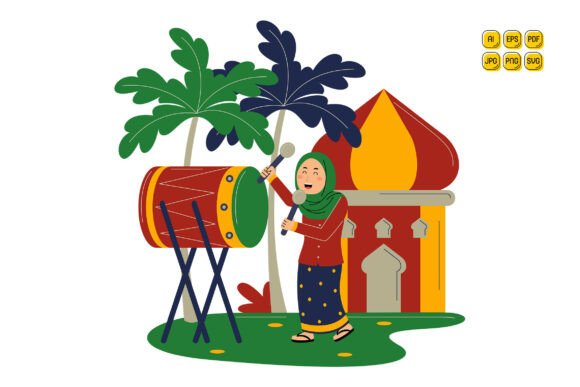
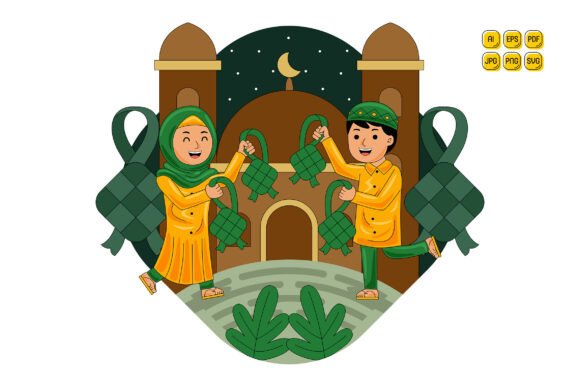
The first thing that stands out about Muslim Man Woman Holding Ketupat is the warmth it conveys. The characters are stylized with a friendly, approachable feel, making them ideal for designs targeting family-oriented or community-based audiences. The inclusion of ketupat—a traditional Indonesian dish—adds a layer of cultural authenticity and celebration, which is particularly useful for brands looking to incorporate local flavor into their visuals.
This illustration has a soft, hand-drawn aesthetic with clean lines and gentle curves. It doesn’t lean too heavily into realism but instead offers a charming, semi-illustrative look that makes it easy to integrate into a variety of styles. Whether you're working on packaging design for a small business or creating promotional materials for a Ramadan campaign, this asset brings a sense of tradition and modernity together seamlessly.
Real-World Application in Branding and Marketing
In logo design or brand identity work, Muslim Man Woman Holding Ketupat can serve as a powerful symbol of inclusivity and cultural pride. If the brand focuses on food, heritage, or religious observance, this illustration can become a central motif. However, it’s important to assess whether the level of detail fits within the client's overall style. For minimalist branding, it might be better used as a supporting element rather than a focal point.
For product labels and packaging design, this image adds a story-driven touch. Its presence suggests a connection to tradition and community, which can help build emotional appeal with customers. In a project I recently worked on for a handmade snack business, a similar illustration significantly improved the perceived value of the product by aligning with its authentic, locally inspired narrative.
Performance in Digital and Print Formats
One of the key strengths of this illustration is its scalability. You can easily resize it without losing clarity, which is essential when designing for both web and print. As part of a hero graphic on a landing page or as a decorative accent in a Canva template, it holds up beautifully. When used at large sizes, such as in posters or banners, the character details remain crisp and legible, contributing to a polished final output.
However, in smaller formats like t-shirt design or sticker templates, the illustration may require simplification. While the original file format allows for SVG editability, which is great for Cricut projects or sublimation printing, some elements could become less distinct when scaled down. Designers should test it in black and white to ensure it still reads clearly, especially if they plan to use it in grayscale applications like certain types of print-on-demand products.
Adaptability Across Platforms and Campaigns
Muslim Man Woman Holding Ketupat shines when used in themed collections or seasonal campaigns. For example, in an editorial design context, it could complement articles or blog posts about cultural traditions, food festivals, or interfaith celebrations. On Pinterest pins or Instagram posts, it provides a visually engaging hook that encourages user interaction due to its storytelling nature.
When considering website graphics or product mockups, this illustration can anchor the visual direction of a page. It pairs well with warm, earthy tones and complements both serif and sans-serif font styles. In one case, I integrated a similar graphic into an Etsy shop's branding, and it helped establish a stronger connection between the seller and the target audience. The illustration made the brand feel more personal and trustworthy.
Use in Commercial Design Assets and Creative Marketplaces
From a commercial design standpoint, this illustration is highly adaptable. It can be layered into design bundles, used in marketing visuals for event invitations, or even repurposed as part of a larger composition for flyer design. The ability to change colors means it can match a wide range of brand palettes, making it suitable for digital sellers and print-on-demand platforms alike.
Its versatility also extends to merchandise design. For tote bags, mugs, or wall art, the illustration can be used as a standalone element or combined with other symbols to create a cohesive theme. Just make sure to preview it on different surfaces to ensure it maintains its visual impact. In particular, when using it in a Cricut project, checking PNG transparency is crucial to avoid unwanted background artifacts.
Design Considerations and Best Practices
Before integrating Muslim Man Woman Holding Ketupat into a client project, there are several practical considerations to keep in mind. First, always confirm the availability of a commercial license. This is vital for ensuring legal compliance, especially when selling products in a creative marketplace or using it in branded materials.
Second, evaluate how it interacts with surrounding text and imagery. In complex layouts or crowded infographics, this illustration could dominate the space unless balanced carefully. Use it strategically in areas where it supports the message rather than competes with it. For instance, in a brochure layout, placing it subtly in the corner can add cultural depth without disrupting the visual hierarchy.
Third, consider contrast. When placed against light or dark backgrounds, the illustration should maintain enough visual separation to remain legible. In one of my recent web design projects, I found that adding a slight drop shadow or adjusting the stroke weight helped the image stand out more effectively across different sections of the site.
Testing for Maximum Impact
Every seasoned designer knows the importance of testing assets before finalizing a project. Here are some steps I recommend:
- Preview at multiple sizes: Check how it looks on mobile screens, in thumbnails, and in full-page displays.
- Test print quality: Especially if planning for merchandise or packaging, ensure the illustration prints cleanly and retains its color vibrancy.
- Compare with font styles: Try pairing it with script, handwritten, display, and standard fonts to see what combinations enhance readability and mood.
- Inspect file formats: Make sure you have access to high-quality PNG and editable SVG versions for flexibility in your workflow.
Why This Illustration Deserves a Place in Your Toolkit
Muslim Man Woman Holding Ketupat is more than just a graphic—it's a bridge between culture and commerce. Its emotional appeal is strong, and it can support a wide range of design goals, from increasing audience engagement to reinforcing brand recognition. Because of its thematic richness, it can help differentiate a design from generic stock images and bring a unique perspective to any creative project.
For designers working with small business branding or those involved in multicultural campaigns, this illustration is a valuable addition to your design assets. It enhances the visual trust factor by showing diversity and cultural awareness in a respectful and aesthetically pleasing way. Whether you're creating a new brand identity or updating an existing one, having an asset like this in your library gives you more options to tell a compelling visual story.
Where to Use It Thoughtfully
While the illustration is versatile, it’s best suited for contexts where cultural storytelling is encouraged. Think of it as a supportive brand element rather than a primary visual. It performs exceptionally well in large layout areas, such as hero banners, product mockups, or poster designs. It can also be effective as a decorative accent in digital ads or as part of a seasonal campaign around Eid or other cultural events.
On the flip side, it should be used cautiously in professional corporate materials or in designs requiring strict visual hierarchy. Its detailed nature might clash with ultra-clean aesthetics. Similarly, if your project uses low-contrast color schemes, the illustration may need adjustments to stand out clearly.
Final Thoughts for Designers and Business Owners
After reviewing Muslim Man Woman Holding Ketupat in several practical scenarios, I’m confident it can be a useful tool for many designers and small business owners. It’s not only an attractive illustration but also a meaningful one that can connect with specific audiences. Whether you’re crafting social media graphics, printable designs, or brand elements for a boutique product line, this asset offers a fresh and culturally relevant angle.
As with any graphic design asset, it’s important to understand its limitations and potential. By testing it in different environments and keeping an eye on licensing, you can confidently include it in your next project. The right balance of creativity and strategy will ensure that it contributes positively to the visual mood, professionalism, and overall impression of your client's work.